
International Air Travel to Greece
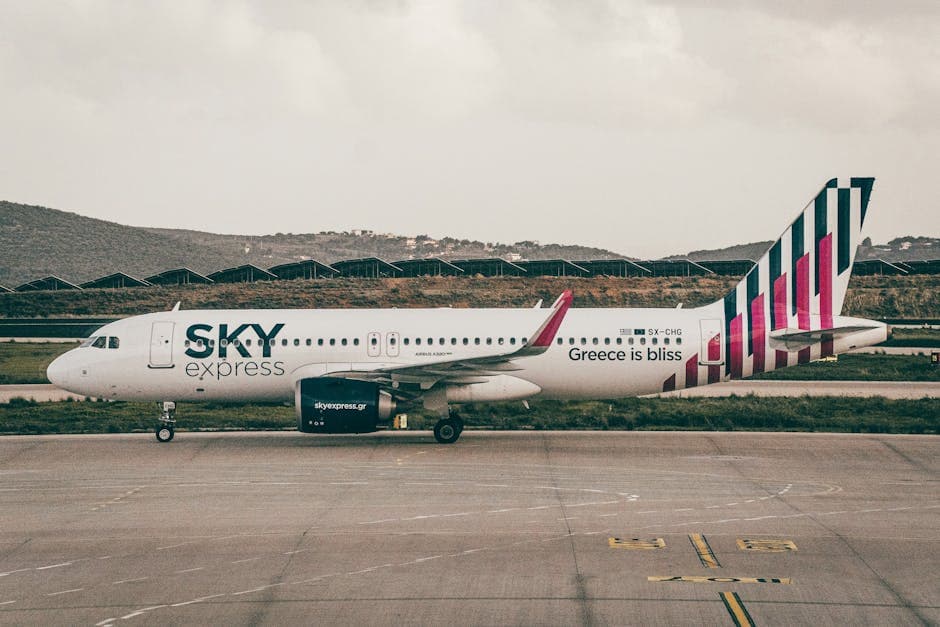
Greece serves as a primary gateway to Southeastern Europe, with Athens International Airport (ATH) and Thessaloniki Airport (SKG) acting as the central hubs for long-haul and continental flights. For travelers arriving in 2025 and 2026, the entry process is governed by the European Union’s integrated border management systems.
Non-EU nationals should be aware of the following technological implementations at Greek border crossings:
- Entry/Exit System (EES): An automated system that registers non-EU nationals traveling for a short stay, replacing physical passport stamping with biometric data collection (facial images and fingerprints).
- ETIAS (European Travel Information and Authorisation System): Starting in 2025, visa-exempt travelers must obtain an electronic travel authorization before departure. The application fee is 7 EUR ($7.70 USD, Jan 2026) for adults.
Upon arrival, airports offer various transport links to city centers. In Athens, a metro ticket from the airport costs 9 EUR ($9.90 USD, Jan 2026), while a flat-rate taxi fare to the city center during daytime is approximately 40 EUR ($44 USD, Jan 2026).
Customs Regulations and Declarations
Customs procedures in Greece follow harmonized EU directives. Travelers are required to choose between the "Green Channel" (Nothing to Declare) and the "Red Channel" (Goods to Declare) upon landing. Misdeclaration can result in administrative fines or confiscation of goods.
Currency Controls
There are no limits on the amount of currency you can bring into Greece from another EU country. However, any traveler entering or leaving the EU with 10,000 EUR ($11,000 USD, Jan 2026) or more in cash (or equivalent in other currencies/assets) must declare it to the Independent Authority for Public Revenue (AADE).
Duty-Free Allowances for Non-EU Arrivals
Personal luggage exemptions apply to travelers arriving from outside the European Union. The value of goods must not exceed 430 EUR ($473 USD, Jan 2026) for air travelers. Specific quantitative limits include:
- Tobacco: 200 cigarettes or 50 cigars.
- Alcohol: 1 liter of spirits (over 22% ABV) or 4 liters of still wine.
- Medication: Personal supply required for the duration of the trip (carrying a doctor's prescription is recommended).
Restricted Items and Animal Transport
Greece maintains strict controls on the importation of specific goods to protect public health and cultural heritage. Prohibited items include narcotics, weapons, and endangered species. Furthermore, the export of Greek antiquities is strictly regulated; purchasing authentic artifacts requires a specific permit from the Ministry of Culture.
Traveling with Pets
The transport of domestic animals (dogs, cats, and ferrets) into Greece is subject to EU Pet Travel Scheme rules. The requirements vary depending on the country of origin:
- EU Origin: Valid European Pet Passport and a functional microchip.
- Non-EU Origin: An animal health certificate issued by an official veterinarian, a rabies vaccination (administered at least 21 days before travel), and, in some cases, a rabies antibody titration test.
Food and Biological Products
It is generally prohibited to bring meat or dairy products from outside the EU into Greece due to biosafety risks. Small quantities of powdered infant milk or specialized pet food may be permitted if they do not require refrigeration and are in original, unopened packaging. Failure to comply may lead to the destruction of the products and a fine depending on the individual situation.