
Banking in Greece: An Overview
Greece operates within the Eurozone, utilizing the Euro (EUR) as its official currency. The banking sector is regulated by the Bank of Greece and the European Central Bank. For foreign nationals, having a local bank account is essential for long-term residency, as it is required for paying utilities, receiving salaries, and managing tax obligations through the Greek Tax Authority (AADE).
The "Big Four" systemic banks dominate the Greek landscape. These institutions provide comprehensive English-language mobile apps and web banking interfaces:
- Piraeus Bank: Known for its extensive branch network.
- National Bank of Greece (NBG): The oldest commercial bank in the country.
- Alpha Bank: Often preferred by international investors and corporate entities.
- Eurobank: Highly rated for its digital banking platforms and international presence.

Opening a Bank Account: Requirements
Opening an account in Greece has become more regulated due to "Know Your Customer" (KYC) and Anti-Money Laundering (AML) directives. While some banks allow digital onboarding for residents with a Greek ID, foreign nationals typically must visit a branch in person.
Mandatory Documentation
The required documents for foreign nationals generally include:
- Valid Passport: An original document is required for verification.
- Greek Tax Identification Number (AFM): This is the most critical requirement. It is issued by the Independent Authority for Public Revenue (AADE).
- Proof of Residency: A utility bill, a lease agreement, or a residence permit.
- Proof of Income: A recent payslip, a tax return from the home country, or an employment contract.
- Mobile Phone Number: A Greek SIM card is usually required to receive 3D-secure SMS codes for transaction authentication.
Non-Resident Accounts
Individuals who do not reside in Greece but own property (e.g., Golden Visa applicants) can open a non-resident account. In addition to the standard documents, they may need to provide a "Certificate of Tax Residence" from their home country. Some banks charge an initial account opening fee for non-residents, typically ranging from 50 EUR ($54 USD, Jan 2026) to 100 EUR ($108 USD, Jan 2026).
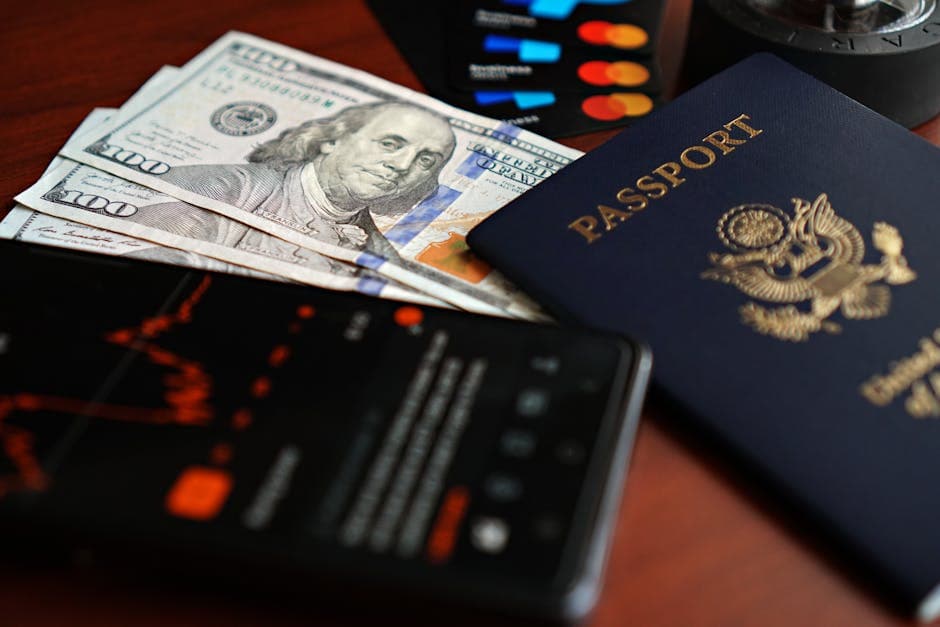
Fees and Payment Methods
Banking costs in Greece are relatively standardized, though they have increased slightly for 2025/2026. Understanding the fee structure is necessary to avoid unexpected charges.
Common Service Fees
- Monthly Maintenance: Many banks now charge a monthly or annual fee for account maintenance. This typically ranges from 0.60 EUR ($0.65 USD, Jan 2026) to 5 EUR ($5.40 USD, Jan 2026) depending on the account type.
- ATM Withdrawals: Withdrawing from your own bank’s ATM is free. Using a different bank's ATM through the DIAS system usually costs between 2 EUR ($2.16 USD, Jan 2026) and 3 EUR ($3.24 USD, Jan 2026) per transaction.
- Wire Transfers: Outgoing SEPA transfers via mobile apps are generally low-cost (approximately 1 EUR), while incoming transfers from non-EU countries may incur significant processing fees.
IRIS Instant Payments
A notable feature of Greek banking is the IRIS system. IRIS allows users to send money instantly using only a mobile phone number or a QR code. For transactions up to 500 EUR ($540 USD, Jan 2026) per day, there are typically zero fees for consumers. This system is increasingly used by small businesses and freelancers as a mandatory alternative to card payments.
Card Usage
Debit cards are issued upon account opening. Credit cards are available but are subject to stricter credit history checks and proof of Greek income. Contactless payment is the standard across all retail sectors in Greece, as law mandates that all businesses must possess a POS terminal.

Digital Governance and Banking
Greece has integrated its banking system with the national digital portal, gov.gr. Residents with a "TaxisNet" login can often update their KYC information (address, phone, income) across all their bank accounts simultaneously using the "Know Your Customer (e-KYC)" service. This reduces the need for physical visits to bank branches for administrative updates.
Note: While digital tools are advanced, initial account setup for third-country nationals often requires a physical signature at a local branch. It is recommended to book an appointment in advance.