
Overview of the Greek Education System
The Greek education system is centralized and overseen by the Ministry of Education, Religious Affairs and Sports. Education is compulsory for all children living in Greece between the ages of 4 and 15. This includes two years of kindergarten (Nipiagogeio), six years of primary school (Dimotiko), and three years of lower secondary school (Gymnasio).
Public education is free of charge for all residents, including foreign nationals, regardless of their residency status. However, many expatriate families opt for private or international schools, which operate primarily in Athens and Thessaloniki. The school year typically begins in mid-September and ends in mid-June.
Early Childcare and Preschool
Childcare in Greece is divided into two main categories based on the age of the child:
- Vrefonipiakoi Stathmoi (Nurseries/Daycare): These facilities cater to infants and toddlers from 2 months to 4 years old. While not compulsory, they are widely used by working parents. Public nurseries often use a "voucher" system based on income criteria. Private nurseries typically cost between 350 EUR ($367 USD, Jan 2026) and 600 EUR ($630 USD, Jan 2026) per month.
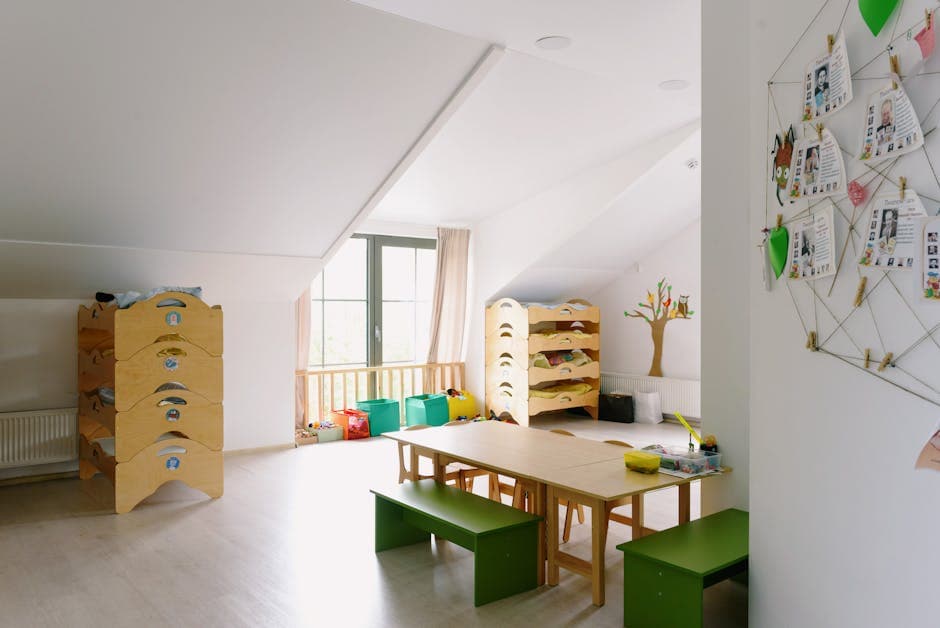
- Nipiagogeio (Kindergarten): Attendance is mandatory for children who have reached the age of 4 by December 31st of the enrollment year. This two-year program prepares children for primary school. Public kindergartens are free, though parents may be asked to provide basic school supplies.
Primary and Secondary Education
The Greek school system follows a 6-3-3 structure. Following the compulsory stages, students can choose to continue into non-compulsory upper secondary education.
Primary School (Dimotiko)
Children enter primary school at age 6. The curriculum focuses on Greek language, mathematics, environmental studies, and physical education. English language instruction typically begins in the first grade. Public schools operate from 08:15 to 13:15, though "All-Day Schools" (Oloimero) offer extended hours until 16:00 to accommodate working parents.
Secondary Education (Gymnasio and Lykeio)
Secondary education is split into two cycles:
- Gymnasio (Lower Secondary): Ages 12 to 15. This is the final stage of compulsory education. Upon completion, students receive a "Apolytirio Gymnasiou," allowing them to progress to upper secondary levels.
- Lykeio (Upper Secondary): Ages 15 to 18. This is optional but highly attended. Students can choose between the Geniko Lykeio (General High School) for academic paths or the EPAL (Vocational High School) for technical specializations. Completion of the Geniko Lykeio is required for the Panhellenic Exams, the gateway to Greek universities.

Enrollment Process for Foreigners
Foreign nationals must register their children at the school nearest to their permanent residence. Enrollment for primary schools usually takes place in March for the following September, though late registrations are permitted for newly arrived residents.
The following documents are generally required for registration in public schools:
- Proof of residence (e.g., utility bill or rental agreement).
- Birth certificate (officially translated into Greek and apostilled).
- Vaccination records and the Student Health Certificate (ADYM), which must be completed by a pediatrician in Greece.
- AMKA (Social Security Number) or PAAYPA for asylum seekers.
- Proof of the child’s previous schooling (if applicable).
International Schools in Greece
Many foreign families choose international schools to maintain a curriculum in their native language or to follow the International Baccalaureate (IB) program. Most of these institutions are located in the northern and southern suburbs of Athens.
Tuition fees for international schools vary significantly by grade level and institution. On average, annual fees range from 8,000 EUR ($8,400 USD, Jan 2026) to 15,000 EUR ($15,750 USD, Jan 2026). Prominent schools include:
- Athens College
- St. Catherine’s British School
- International School of Athens (ISA)
- American Community Schools (ACS) Athens
- Campinon School
Detailed information on specific school rankings and procedures can be found on the official Greek Government portal.