
Cultural Orientation and Etiquette in Greece
Greek culture is characterized by a blend of deep-rooted historical traditions and modern Mediterranean lifestyle. For foreign nationals moving to Greece in 2025/2026, understanding social norms, communication styles, and administrative expectations is essential for successful integration. This guide provides a factual overview of the cultural landscape to assist in professional and social transitions.
Interpersonal Communication and Greetings
Social interactions in Greece are generally expressive. Personal space requirements are often smaller than in Northern Europe or North America. Direct eye contact is considered a sign of honesty and trustworthiness.
- Formal Greetings: Use "Yia sas" (Hello/Goodbye) for elders or in professional settings. A firm handshake is the standard professional greeting.
- Informal Greetings: "Yia sou" is used among peers. Friends often greet each other with two kisses on the cheeks (left then right).
- Non-Verbal Cues: A slight upward nod of the head combined with a "tsak" sound or clicking of the tongue signifies "no." A downward tilt of the head indicates "yes."

Social Life and Dining Etiquette
Socializing frequently revolves around food and drink. The concept of parea—a group of friends meeting to share ideas and experiences—is central to Greek life. Activities often occur later in the evening compared to other Western countries.
Coffee Culture and Meal Times
Coffee consumption is a primary social activity. A typical "coffee date" can last several hours. In 2025/2026, the average price for a Freddo Espresso in a central urban café is approximately 3.50 EUR to 4.50 EUR ($3.80 to $4.90 USD, Jan 2026).
- Lunch: Typically served between 14:00 and 16:00.
- Dinner: Generally eaten late, often starting after 21:00. Many restaurants do not see a peak crowd until 22:00.
- Tipping: While service is often included in the bill, it is standard to leave a tip of 5% to 10% for good service. In small tavernas, rounding up the bill by 1 EUR to 2 EUR ($1.10 to $2.20 USD, Jan 2026) is common.
Invitations and Gift-Giving
If invited to a Greek home, it is customary to bring a small gift. Suitable items include boxes of sweets (glyka) from a zacharoplasteio (pastry shop) or a bottle of wine. A typical box of assorted pastries costs between 15 EUR and 25 EUR ($16.35 to $27.25 USD, Jan 2026).
Professional and Administrative Culture
The Greek professional environment is becoming increasingly digitalized through initiatives such as gov.gr, yet traditional hierarchical structures remain prevalent in many sectors.
Punctuality and Working Hours
There is a distinction between social and professional punctuality. While social events may have a flexible start time, professional meetings are expected to begin on time, particularly in multinational corporations and the public sector.
- Public Sector Hours: Offices typically operate from 07:30 to 15:30.
- Private Sector Hours: Standard hours are 09:00 to 18:00, though retail shops often follow a split-shift schedule (closing for a mid-day break on Tuesdays, Thursdays, and Fridays).
- Siesta: "Quiet hours" (mesimeri) are legally enforced, usually from 15:00 to 17:30 in the summer. Excessive noise during this period can lead to complaints.
Religious Influence
The Greek Orthodox Church plays a significant role in public life and the calendar. Public holidays (argies) are strictly observed, and most businesses, including supermarkets, close on these days. Major holidays include Orthodox Easter and the Assumption of the Virgin Mary (August 15th).
Practical Steps for Integration
For foreign nationals, following these steps can facilitate a smoother transition into Greek society:
- Learn Basic Greek: While English is widely spoken in urban centers and tourist areas, learning basic phrases is highly regarded and often necessary for navigating local administrative offices (KEP).
- Monitor Local News: Stay informed about public transport strikes or administrative changes via official portals like the Ministry of Foreign Affairs.
- Understand the Tax Registry: Carrying a digital copy of your AFM (Tax Identification Number) is often required for significant transactions or contracts.
Exceptions and Variations
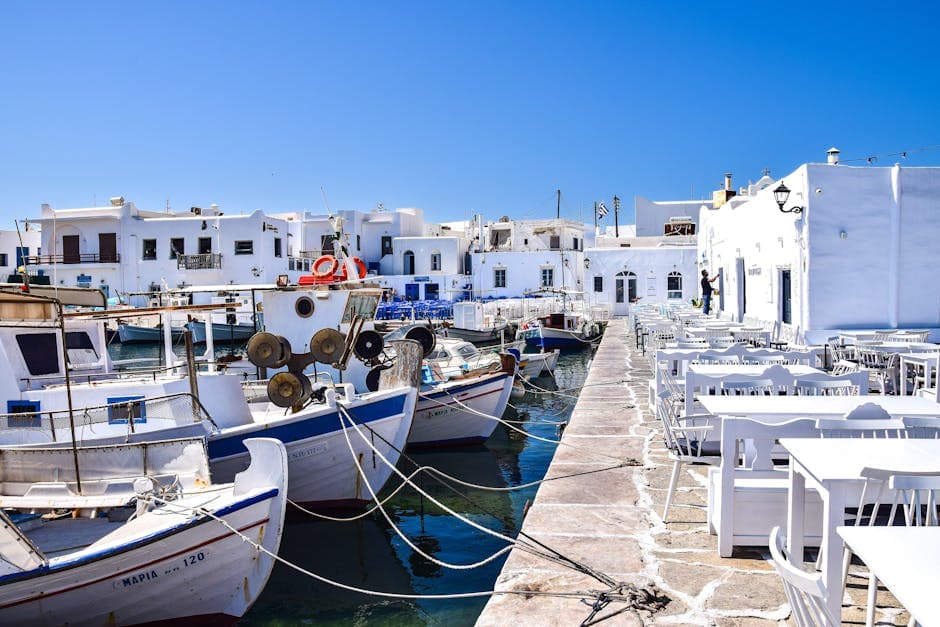
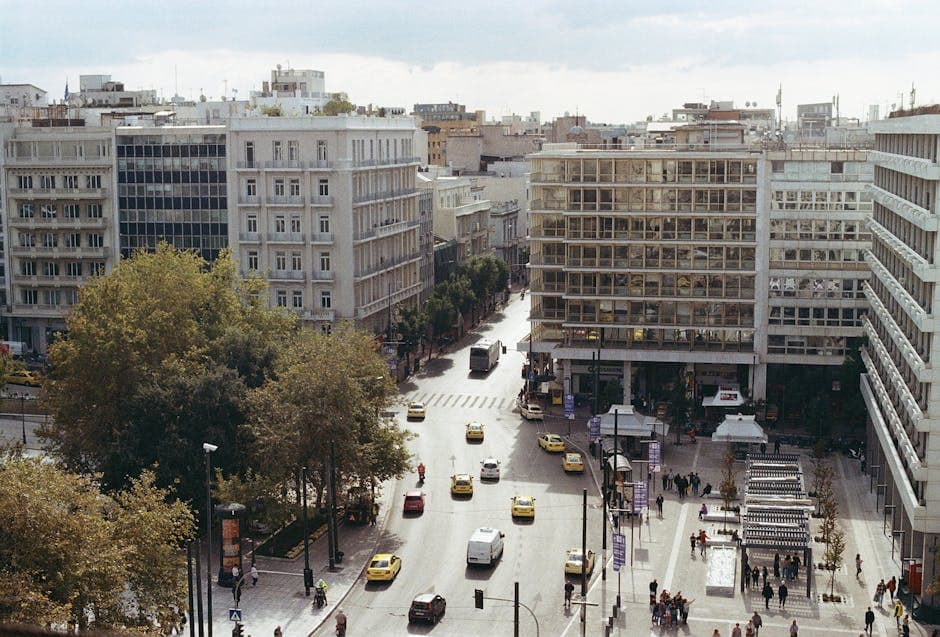
Cultural norms can vary significantly between metropolitan areas like Athens or Thessaloniki and rural island communities. In smaller villages, social structures are more conservative, and local customs regarding dress and religious participation may be more strictly observed compared to the cosmopolitan environment of the capital.