
Overview of Transportation in Greece
Greece offers a comprehensive transportation network that integrates urban transit, intercity buses, a developing rail system, and extensive maritime connections. For foreign nationals, navigating this system requires understanding the distinction between the metropolitan networks of Athens and Thessaloniki and the regional services that connect the mainland and islands. The Greek Ministry of Infrastructure and Transport oversees the regulatory framework, ensuring alignment with European Union standards for 2025 and 2026.

Public Transportation in Major Cities
Urban transport in Greece is centralized primarily around Athens and Thessaloniki. The systems are designed to be affordable, though coverage varies significantly between the capital and regional hubs.
Athens Metropolitan Transport
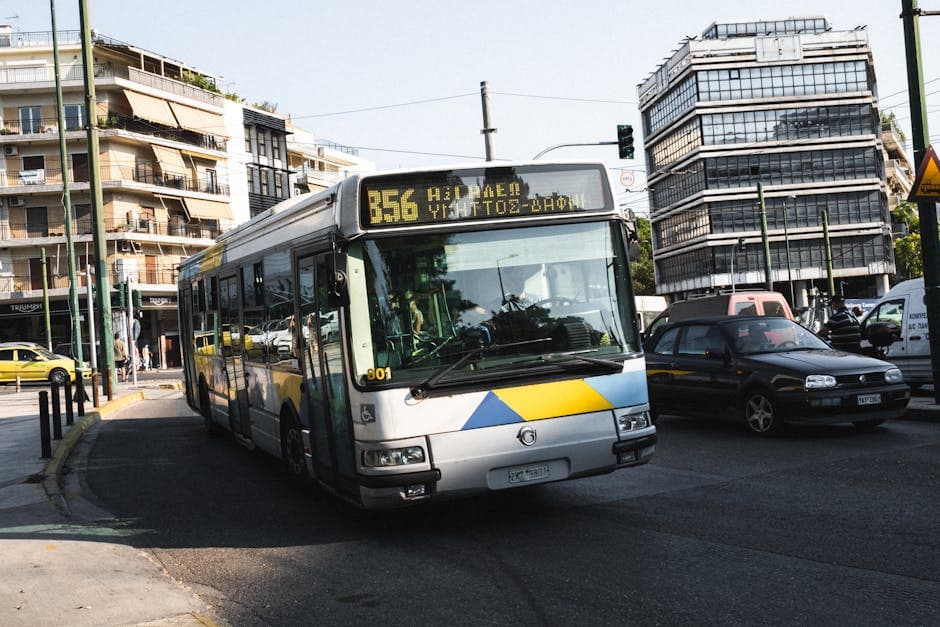
The Athens Urban Transport Organization (OASA) manages the Metro, Tram, and Bus networks. The Metro consists of three lines, with Line 4 currently under construction. Services typically run from 05:30 to 00:30, with extended hours on Friday and Saturday nights for Lines 2 and 3.
- Ath.ena Ticket & Card: Athens uses a rechargeable electronic ticketing system. Passengers can purchase a paper "Ath.ena Ticket" or a plastic "Ath.ena Card."
- Standard Fare: An integrated 90-minute ticket costs 1.20 EUR ($1.27 USD, Jan 2026) and is valid for all modes of transport except Airport lines.
- Daily Pass: A 24-hour unlimited travel pass costs 4.10 EUR ($4.33 USD, Jan 2026).
- Monthly Subscription: An unlimited 30-day pass for all non-airport transport is 27.00 EUR ($28.50 USD, Jan 2026).
Thessaloniki Transportation
Thessaloniki, Greece's second-largest city, relies on an extensive bus network operated by OASTH. As of 2025, the Thessaloniki Metro main line is operational, providing a high-speed underground alternative to the city’s congested surface streets. Tickets for the bus system start at 0.90 EUR ($0.95 USD, Jan 2026) for a single trip.
Intercity Travel: KTEL and Hellenic Train
Intercity buses, known as KTEL, are the most common way to travel between prefectures. Each region has its own KTEL operator (e.g., KTEL Attikis, KTEL Thessalonikis). For rail travel, Hellenic Train operates the main axis between Athens and Thessaloniki, offering both standard and high-speed services.
Driving Regulations and Licensing
Driving in Greece follows standard European right-hand traffic rules. For foreign residents, the validity of a foreign driving license depends on the country of issuance and residency status.
Driving License Validity
- EU/EEA Citizens: Licenses issued by European Union or European Economic Area member states are fully recognized and do not need to be converted until they expire.
- Non-EU Citizens (Bilateral Agreements): National licenses from countries such as the USA, UK, Canada, Australia, and others are recognized for driving in Greece. Residents from these countries are generally not required to hold an International Driving Permit (IDP) for short stays, but they must convert to a Greek license if they become tax residents.
- Other Nationalities: If your country does not have a bilateral agreement with Greece, an International Driving Permit (IDP) is mandatory alongside your original national license.
Vehicle Ownership and Maintenance
Foreigners residing in Greece may purchase and register a vehicle provided they have a Greek Tax Identification Number (AFM). Ownership involves several recurring costs and legal requirements:
- Road Tax (Teli Kykloforias): Paid annually, usually between November and December for the following year. The cost is calculated based on CO2 emissions or engine capacity.
- KTEO (Technical Inspection): Passenger vehicles must undergo a technical inspection every two years. Failure to produce a valid KTEO certificate results in significant fines.
- Insurance: Third-party liability insurance is the legal minimum requirement. Prices vary based on the driver's age, location, and vehicle type, typically starting at 120 EUR ($126 USD, Jan 2026) per year for basic coverage.
Tolls and Road Networks
Major motorways in Greece (Attiki Odos, Egnatia Odos, Nea Odos) operate on a toll system. Toll booths accept cash and cards, but frequent users are encouraged to use an "e-pass" transponder for electronic payments and discounts. Toll rates for a standard passenger car typically range from 1.20 EUR ($1.27 USD, Jan 2026) to 3.50 EUR ($3.69 USD, Jan 2026) per station.

Practical Steps and Digital Tools
Administrative processes for transport have been increasingly digitized through the national portal. Residents can access digital versions of their driving license and vehicle documents via the Gov.gr Wallet app, which is legally recognized within Greek territory.
Useful Links
- OASA - Athens Public Transport Official Site
- Gov.gr - Official Transport Services Portal
- KTEO Information and Booking
Note: Regulations regarding the conversion of foreign driving licenses can change based on updated bilateral treaties. Always verify the latest requirements with your local Citizens' Service Centre (KEP) or the Ministry of Transport.