

City Overview
Patras is the regional capital of Western Greece and functions as a vital logistics node. The city is geographically divided into the Upper Town (Ano Poli), which features the medieval castle and historical district, and the Lower Town (Kato Poli), which serves as the modern commercial center. The urban layout is defined by a grid system in the lower section, facilitating access to the waterfront and the Patras Port Authority.

Cost of Living
The cost of living in Patras is lower than in Athens or Thessaloniki. Monthly expenses for a single person, excluding rent, typically range from €600 to €800. Utilities for a standard 85m² apartment average between €150 and €200 per month. Grocery prices are consistent with national averages, though local markets provide access to regional agricultural products at lower price points.
Transportation and Connectivity
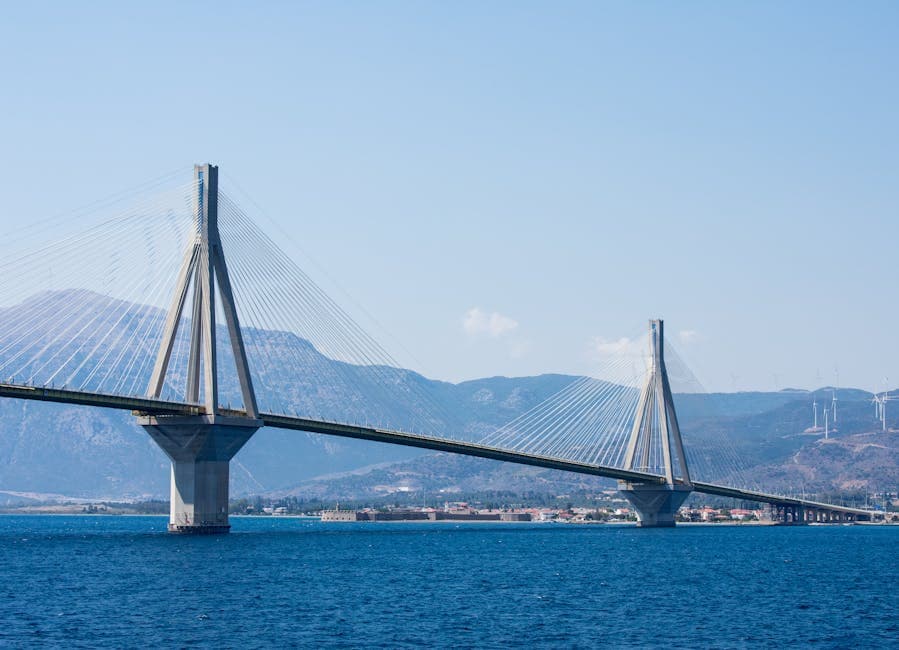
Patras is connected to Athens via the A8 motorway and the Hellenic Train network. The Proastiakos suburban railway provides transit between the city center, the northern suburbs, and the university campus. Local public transport is managed by the Patras Urban Bus Organization. The city is also the primary departure point for international ferries traveling to Italy and the Ionian Islands.

Neighborhoods for Expats
- Psila Alonia: A central residential area known for its elevated square and neoclassical architecture. It is a primary location for professional services and high-density housing.
- Rio: Located approximately 8 kilometers north of the city center, Rio is home to the University of Patras and the University General Hospital. It is a preferred location for academics and medical professionals.
- Agia Sofia: A residential district located near the city center, offering high proximity to retail outlets and public schools.
Employment and Economy
The local economy is supported by the shipping industry, healthcare, and higher education. The University of Patras is one of the region's largest employers. Additionally, the Patras Science Park hosts several technology and research firms, contributing to a growing sector in innovation and software development.
Visa and Residency
Residency requirements in Patras depend on individual situation. European Union citizens have the right to reside and work without a visa. Non-EU citizens must obtain a national visa (Type D) for long-term stays, such as the Digital Nomad Visa or the Golden Visa program. Applications and renewals are processed through the Ministry of Migration and Asylum.